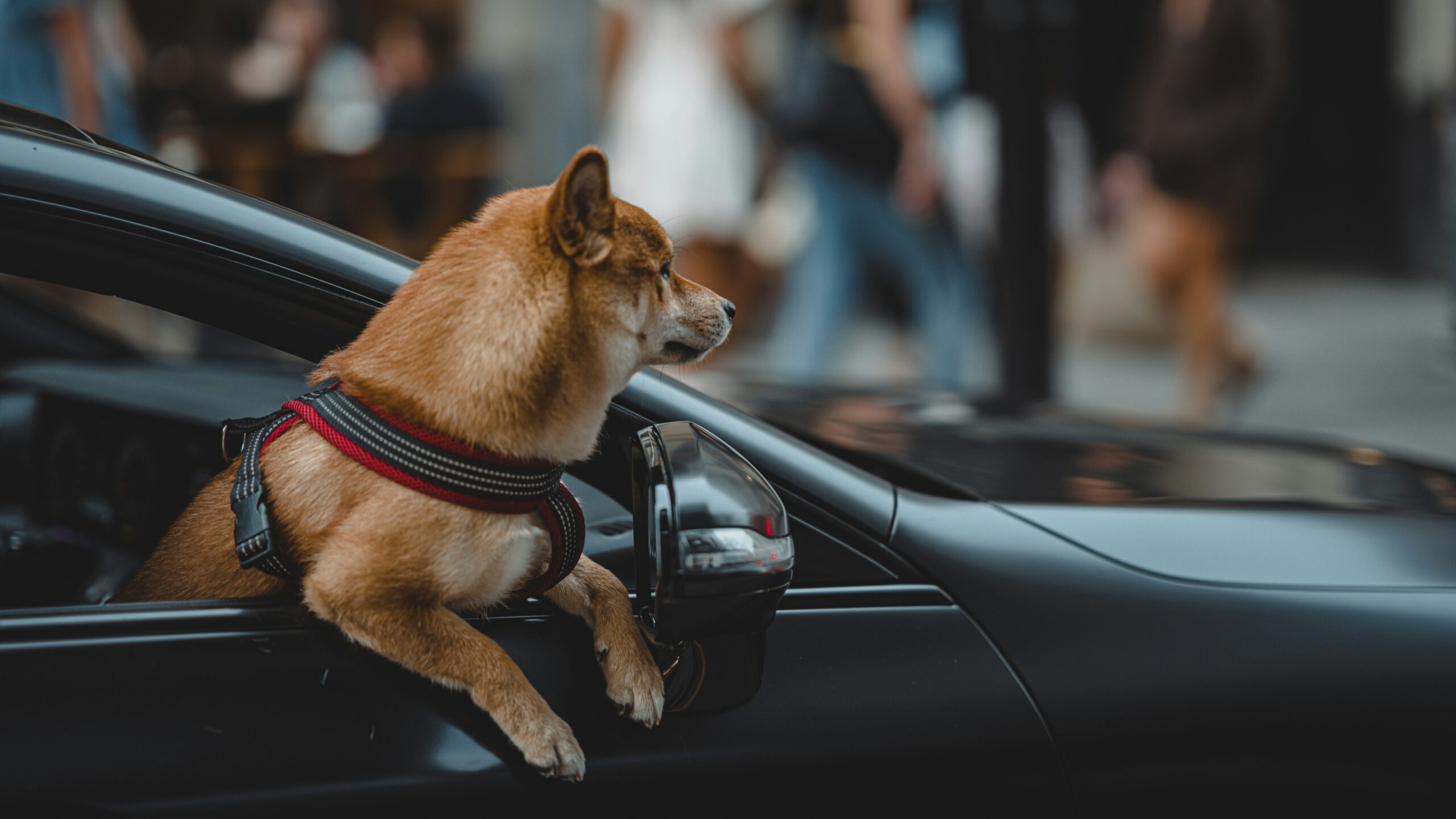
Every responsible dog owner knows the importance of keeping their pet safe, but many overlook a critical aspect of dog safety: proper restraint during car travel. Whether you’re driving to the vet, heading to the park, or embarking on a cross-country road trip, an unrestrained dog poses serious risks to themselves, passengers, and the driver. Beyond safety concerns, many countries and states have laws requiring pet restraint in vehicles, making dog car seat belts and dog car harnesses not just a smart choice but also a legal requirement.
A dog should be secured during car travel. A proper dog car harness, dog seat belt attachment, or travel crate can make the journey safer and more comfortable. It helps reduce sudden movement, keeps the dog from distracting the driver, and gives the dog a more stable travel space.
Check this comprehensive guide to explore whether your dog needs a car restraint, the science behind pet travel safety, different restraint options available, and how to choose the right accessory for your travel needs.
What Is the Difference Between a Dog Car Seat Belt and a Dog Car Harness?
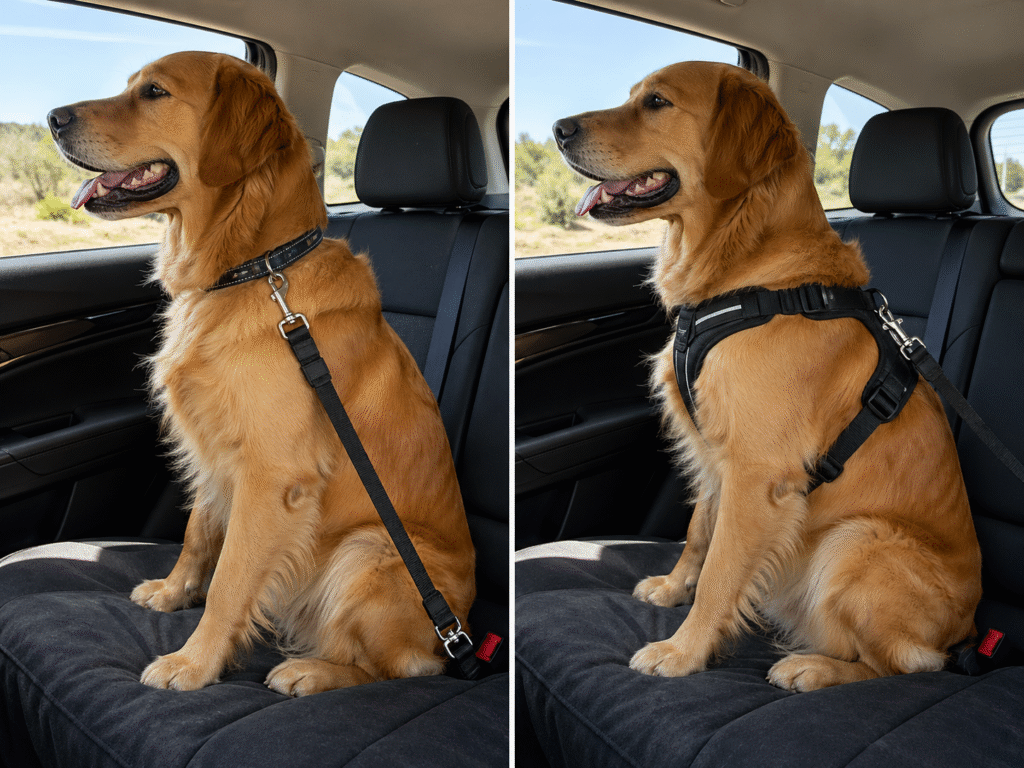
A dog car seat belt is usually a short strap or tether that clips into the car’s seat belt buckle or attaches to the seat belt system. It is meant to limit how much the dog can move inside the car.
A dog car harness is worn around the dog’s body. It spreads pressure across the chest and torso rather than concentrating force around the neck. For car travel, the harness is usually connected to a seatbelt tether or the car’s seat belt.
Why Your Dog Needs Proper Car Restraint
1. The Physics of Pet Safety in a Car
When your vehicle stops suddenly, everything inside continues moving at the original speed until something stops it. If your dog is unrestrained, it can become a dangerous projectile during even minor accidents. Research shows that in a collision at just 48 km/h, a 10 kg dog generates approximately 300 kg of force. Imagine the force created by a 25 kg Labrador; it could exceed 750 kg, which is enough to cause fatal injuries to both the dog and the passengers in the impact path.
Not just collisions, even everyday driving situations can pose risks. Sharp turns, sudden braking, or swerving to avoid obstacles can throw unrestrained dogs around the vehicle. It can cause injuries ranging from bruises to broken bones. A dog car harness or proper restraint system keeps your pet securely in place during these unexpected moments.
2. Protecting Human Passengers
Unrestrained dogs don’t just endanger themselves. During accidents, loose pets can:
- Strike you or your co-passenger with tremendous force, causing serious injuries
- Interfere with airbag deployment, reducing their effectiveness
- Escape through broken windows, getting lost, or causing secondary accidents
- Prevent emergency responders from accessing injured passengers quickly
3. Danger of Distraction for Drivers
Even without accidents, an unrestrained dog can create a significant safety hazard to you. The dog can climb into the front seat and block the driver’s view, or jump around excitedly, diverting your attention from the road. Studies indicate that driving with an unrestrained pet is as distracting as texting while driving.
Legal Requirements for Dog Restraints
India’s Motor Vehicles Act doesn’t explicitly mandate dog seat belts, but section 177 addresses issues related to carrying goods or passengers in a manner that endangers safety. Traffic police can fine you if unrestrained pets obstruct driving or pose safety risks. Several Indian cities have begun enforcing stricter interpretations, particularly after accidents involving loose pets.
Internationally, countries like Australia, the UK, and several US states have specific laws requiring pet restraints, with fines ranging from $200-$500 for violations. As awareness grows in India, similar regulations may follow, making it necessary to adopt safe practices for dog travel now.
Insurance implications are also important. If an unrestrained pet contributes to an accident, insurance companies may reduce claim settlements, arguing negligence. Proper restraints demonstrate responsible pet ownership and protect you legally and financially.
Car Seat Belt vs Travel Harness: Which One Is Better?
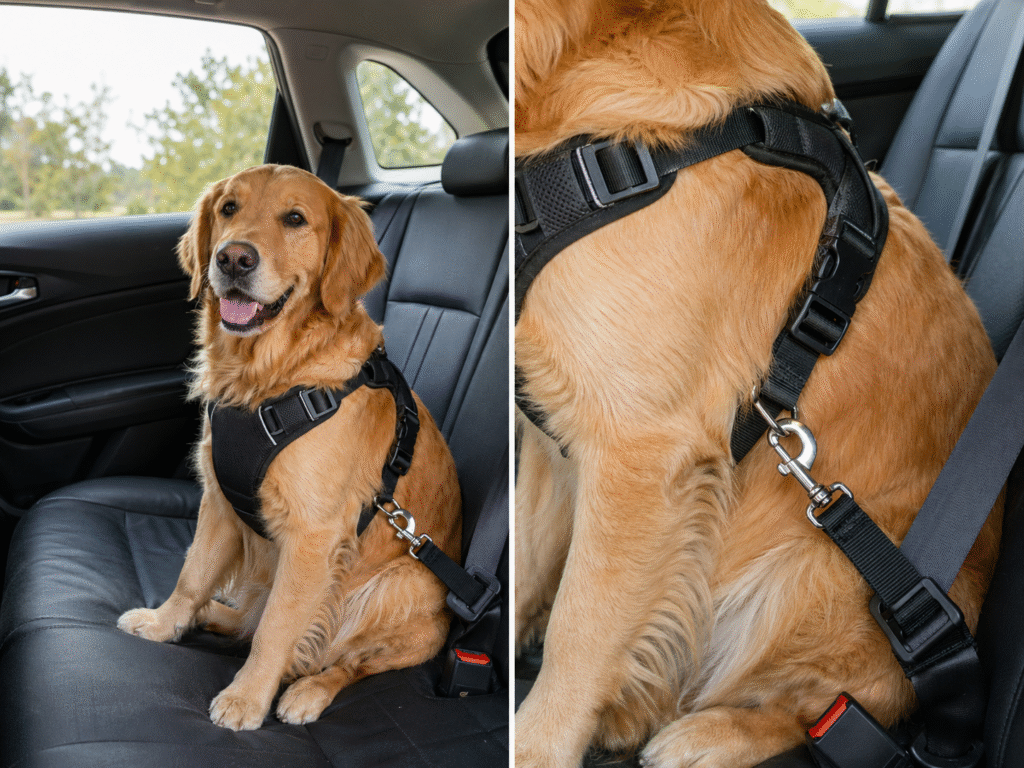
This is where the wording gets slightly confusing, as some people use both terms together. A travel harness is the body support your dog wears.
A seat belt tether is the strap that connects the harness to the car. For most dogs, the better setup is:
dog travel harness + seat belt tether
This combination gives body support and controlled movement. A tether without a proper harness is not ideal. A harness without a secure attachment cannot control movement inside the car.
How to Choose the Right Dog Car Seat Belt or Harness for Your Dog
1. Consider Size and Weight
Measure your dog accurately before purchasing:
For Small dogs (under 10 kg): Booster seats or small harnesses with extra padding are enough.
For Medium dogs (10-25 kg): You will need standard crash-tested harnesses designed for mid-size breeds
For Large dogs (25+ kg): Buy heavy-duty harnesses with reinforced stitching and wider straps; consider crates for maximum safety
Always check the weight limits specified by manufacturers. A harness made for a 15 kg dog won’t restrain a 25 kg dog securely.
2. Look for Crash-Test Certification
Always buy crash-tested products as they undergo rigorous testing that mimics real accident conditions. Many popular products fail these tests; either they break apart or allow excessive movement that can cause injury.
Verify certifications before buying and don’t rely on marketing claims. Reputable brands clearly state testing standards and results. If certification information isn’t available, the product likely hasn’t been tested.
3. Check Your Vehicle Compatibility
Consider your vehicle type before buying a travel harness for your dog:
Sedans: Back seat harnesses work best as they ensure adequate space.
SUVs/Hatchbacks: The cargo area can be used with crates or barriers plus harnesses.
Small cars: Consider buying a harness with a seatbelt tether and a barrier between front and back seat because of space limitations, especially for large dogs.
Check if your car has LATCH (Lower Anchors and Tethers for Children) systems, which provide more secure attachment points than standard seat belts for some harness systems.
4. Consider Your Dog’s Temperament
Anxious dogs: Crates with familiar bedding provide security; gradual acclimation is essential.
Active dogs: Sturdy harnesses that allow limited movement without compromising safety.
Calm dogs: Any appropriate restraint system works well; focus on proper fit.
Escape artists: Reinforced harnesses with multiple secure points; avoid systems with quick-release buckles that dogs might trigger.
5. Look for Travel Harness Fit and Texture
When choosing a dog car harness, look for:
- strong stitching and durable material
- broad chest support
- adjustable straps
- comfortable padding
- secure metal hardware
- correct size and fit
- compatibility with seat belt attachments
The harness should fit snugly without digging into your dog’s body. If it is too loose, the dog may twist out of it. If it is too tight, the dog may refuse to settle.
Proper Installation and Usage of a Dog Car Harness
Step-by-Step Harness Installation
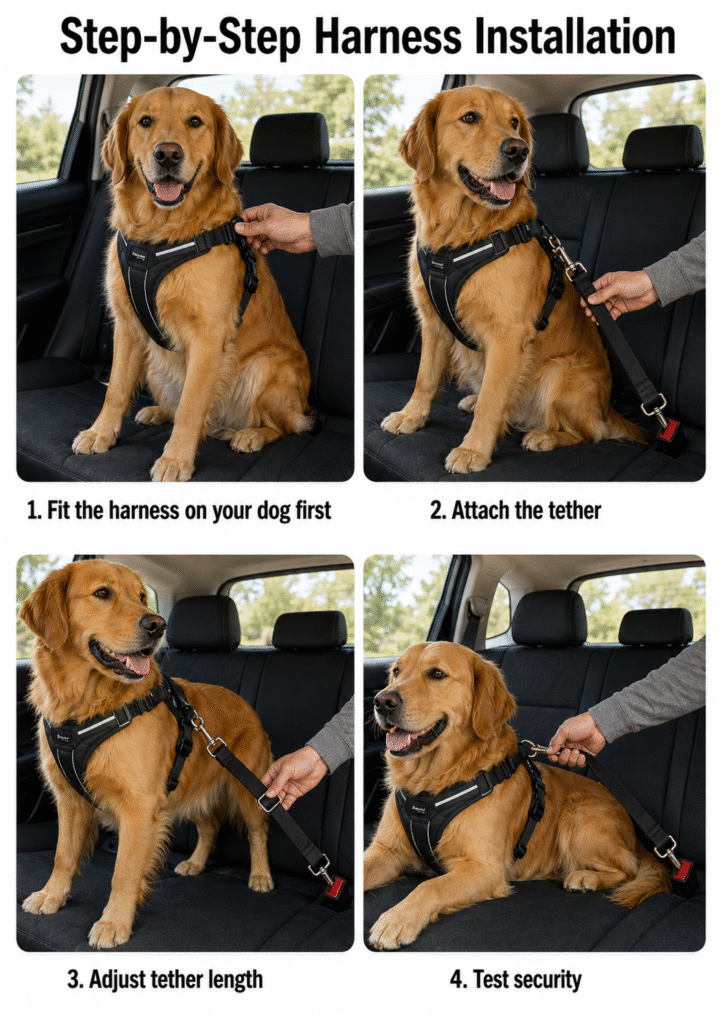
- Fit the harness on your dog first: Adjust all straps so they’re snug but not tight. You should fit two fingers between the harness and the dog’s body at any point.
- Position your dog in the designated seat: The back seat is safest, and the middle position offers maximum protection.
- Attach the tether: Connect the harness tether to the seat belt buckle or LATCH system.
- Adjust tether length: Allow enough slack for your dog to sit, stand, and lie down comfortably, but not so much that they can reach the front seat or opposite window.
- Test security: Gently tug the setup to ensure all connections are secure.
Common Installation Mistakes
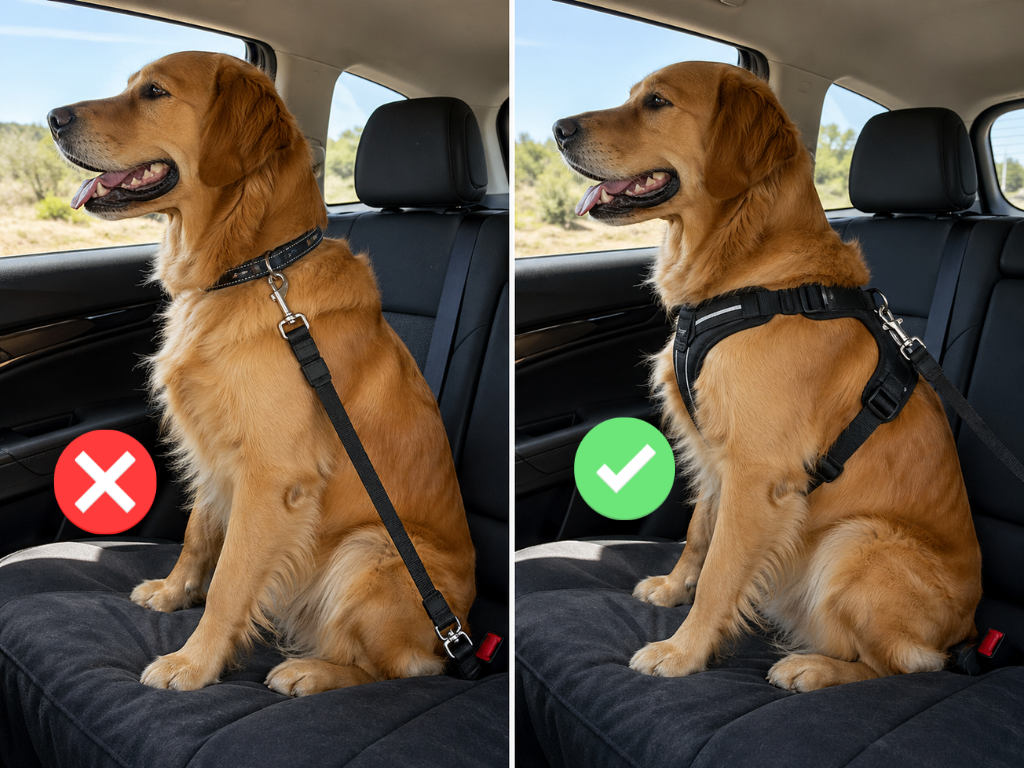
- Too much slack: Defeats the purpose; the dog can still become projectile with excessive lead length.
- Front seat placement: Airbags can seriously injure or kill dogs; always use back seats.
- Loose harness fit: Harnesses that shift around don’t distribute force properly during impacts.
- Using worn-out restraints: Regularly inspect for fraying, broken stitching, or damaged buckles; replace immediately if compromised.
- Clipping the tether to a collar: This can put dangerous pressure on the dog’s neck during sudden movement.
- Choosing style over structure: A cute harness is useless if the stitching, hardware, or fit is weak.
- Ignoring comfort: If your dog cannot sit or lie down comfortably, the setup will not work well for the entire journey.
Do Small Dogs Need a Car Seat Belt Too?
Yes, small dogs also need a secure setup. Small dogs are more vulnerable to sudden movement because they are lighter and could be easily thrown off balance.
For small dogs, a travel crate, booster seat with harness attachment, or properly fitted harness can work depending on the dog’s size and behaviour. It’s important not to let them stay loose inside the car.
A tiny dog on someone’s lap may look cute, but it is not safe. Lap travel can interfere with the driver, and the dog has no real protection during sudden braking.
Is a Dog Car Harness Enough for Long Road Trips?
A travel harness is an important accessory for your dog while traveling by car, but it is not the only tool you need. A proper travel plan is also required.
For long road trips, you will need water, breaks, ventilation, shade, and a comfortable resting surface. The harness keeps the dog secure, but if the car is hot, the seat is uncomfortable, or the dog gets no breaks, the journey will still be difficult.
A travel harness ensures a safe journey, but it does not solve every pet travel issue.
How to Get Your Dog Used to a Car Harness
Your dog may need time to accept a car harness, especially if it feels different from a regular walking harness. Start acclimation early:
Week 1: Let your dog wear the harness at home during positive activities (meals, playtime). Reward calm behavior.
Week 2: Practice putting on and removing the harness daily with treats and praise.
Week 3: Try short stationary car sessions with the harness attached (engine off) and reward positive behavior with treats.
Week 4: Drive briefly around the block, and gradually extend duration.
Patience is the key. Never force your dog into restraints if they are panicking. Build positive associations gradually. The goal is to make the harness feel normal before the trip.
Frequently Asked Questions
1. Do dogs need a seat belt in the car?
Yes, dogs should be secured in the car with a suitable harness, seat belt tether, or travel crate. It helps reduce movement, distraction, and risk during sudden braking or turns.
2. Can I attach a dog seat belt to a collar?
No, it is better not to attach a car seat belt tether to a collar. A sudden pull can put pressure on the dog’s neck. Use a properly fitted travel harness instead.
3. Is a dog harness better than a crate for car travel?
It depends on the dog. A harness works well for many dogs on the back seat, while a crate may be better for dogs that need a more contained and stable space.
4. Can small dogs travel without a harness?
No, small dogs should also be secured in the car during travel. A small dog can lose balance easily during sudden movement, so a harness, booster seat, or secured crate is safer than traveling without restraints.
5. What is the safest way for a dog to travel in a car?
The safest setup is one that keeps the dog secure, comfortable, and away from the driver’s area. That means a fitted travel harness with a seat belt tether or a properly secured crate.
Final Verdict: Seat Belt, Harness, or Crate?
For your dog, the most practical choice is travelling in the back seat, secured with a proper dog travel harness and a seatbelt tether. It gives security, reduces movement, and helps them stay in one place during the journey.
If your dog is small, anxious, or settles better in enclosed spaces, a secured travel crate may be a better option.
The worst option is letting them move freely inside the car. It may feel relaxed at first, but it increases the risk and makes the journey difficult.
So yes, dogs do need a car seat belt or travel harness for safer car travel. The best setup is the one that fits your dog properly, suits your car, and keeps the journey calm without making your dog uncomfortable.