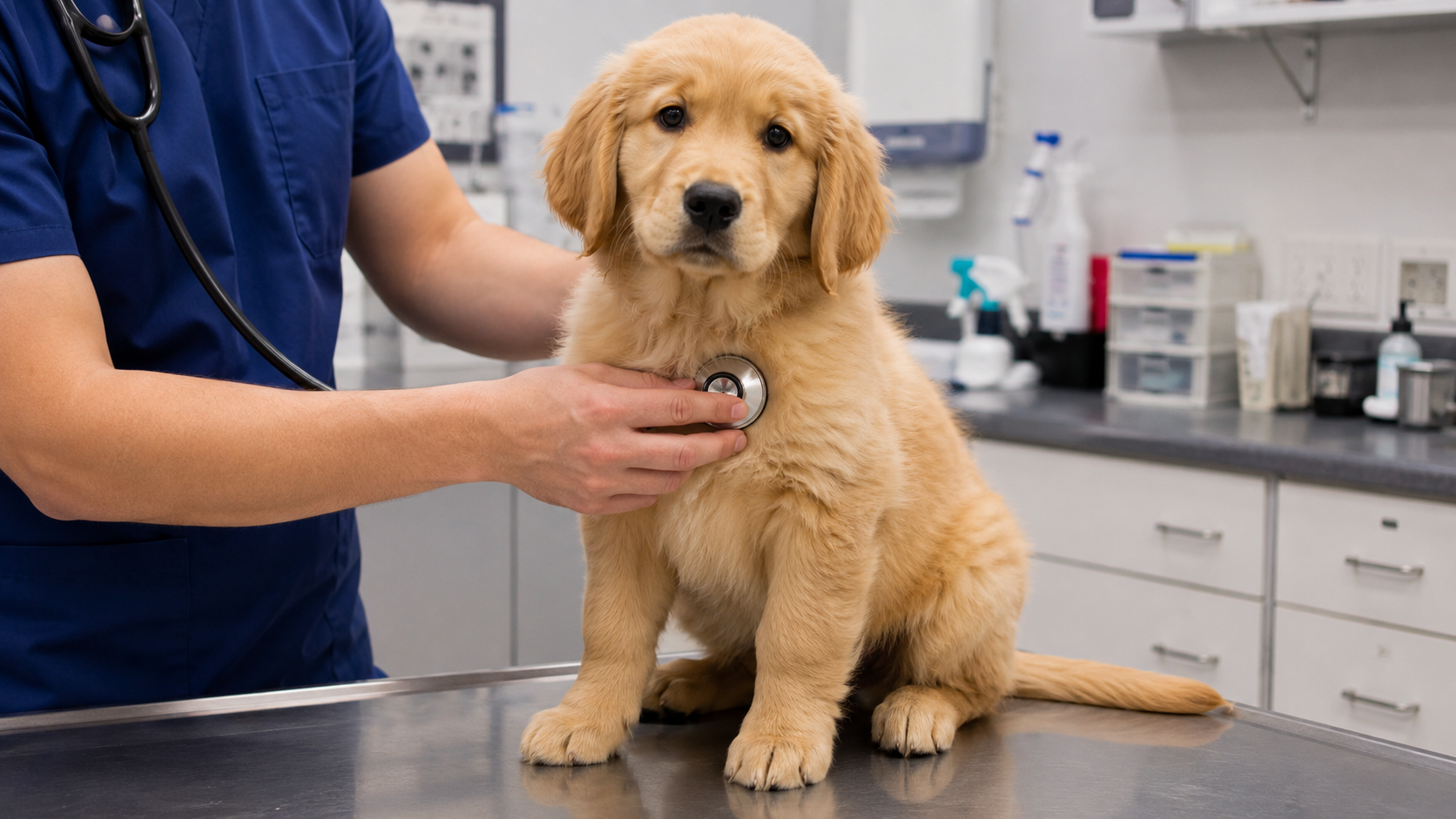
A dog vet visit can be stressful for many dogs. Unfamiliar smells, other animals, new people, and physical handling can make them anxious. Even a normally calm dog may behave differently at the vet clinic. Advance preparation can make these visits much easier. If you are wondering what to carry to a vet appointment or how to start preparing your dog for a vet visit, this guide will help you make the process smoother for both you and your dog.
Importance of Dog Vet Visit Preparation
Dog vet visit preparation helps you carry the right items, explain symptoms clearly, save time at the clinic, and reduce stress for your dog.
- It improves the quality of the consultation because you can share symptoms, food habits, medicines, vaccination history, and behaviour changes clearly.
- It saves time because your records, leash, carrier, and other essentials are ready.
- It reduces pet stress because your dog is not being rushed, dragged, or handled without warning.
Choosing the Right Vet Clinic: Questions to Ask Before You Go
Choosing the right clinic is the first step of preparation. A good clinic with qualified vet, a clean setup, clear communication, gentle handling, and a waiting area reduces the stress significantly.
Do not choose a clinic only because it is the cheapest or closest one. Your dog may not speak, but they still feel fear, pain, confusion, and discomfort. The clinic should treat that fear seriously. When a pet is already unwell or frightened, calm handling and respectful care becomes more important.
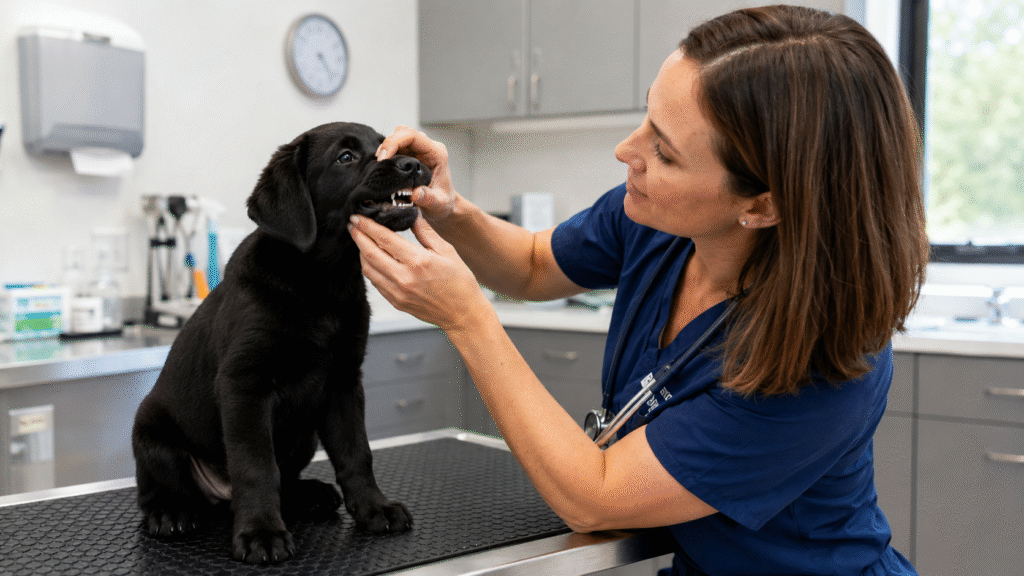
Before booking a dog vet visit, ask:
- Is the vet experienced with my dog’s issue? This is important for skin problems, ear infections, senior care, dental issues, injuries, or chronic illness.
- Do I need an appointment, or is it walk-in only? Appointment can reduce waiting time and waiting-room stress.
- Can I stay with my dog during the examination? Many dogs feel calmer when their owner is nearby, especially during handling, injections, or basic checks.
- Do they handle pets gently? Rough handling can make the vet visits harder.
- What is the hygiene level of the clinic? Ask about the waiting area, examination table, smell, waste handling, and whether surfaces are cleaned between patients.
- Is there a separate or quieter waiting area for anxious dogs? This helps if your dog reacts to other pets.
- Can I wait outside or in the car until my turn? This can be useful for fearful, reactive, or senior dogs.
- Are basic tests, pharmacy support, or emergency care available? Some clinics offer only consultation, while others have more facilities.
- How are records and follow-ups handled? Clear prescriptions, written instructions, and follow-up guidance matter.
- What are the consultation charges and expected extra costs? Ask this before the visit so there are no surprises.
Pre-Visit Preparation
Start preparing few days before the appointment, so that you don’t have to search for the leash five minutes before leaving.
3–5 Days Before the Vet Visit
Start by noting anything unusual: This may include changes in appetite, stool, vomiting, coughing, scratching, limping, tiredness, drinking more water, skin patches, ear smell, or behaviour changes. If the symptom is difficult to explain, take a short video or photo. Many dogs stop showing the problem once they reach the clinic.
Collect previous Records: prescriptions, vaccination records, test reports, and the names of current medicines or supplements. If this is a new clinic, records become even more important.
Do basic grooming before the appointment: Dog grooming supplies for home, such as grooming brush set, pet nail clippers, or dog ear cleaning solution are useful for regular maintenance. However, do not over-clean wounds, skin patches, ears, discharge, or swelling before the vet sees them. The vet may need to examine the actual condition.
1–2 Days Before the Vet Visit
Confirm the appointment time, clinic location, and transport plan. If your dog is uncomfortable in the car, plan the shortest and low traffic route and use a secure harness or crate to reduce excessive movement. If you already have a dog car harness or crate, check that it fits properly before the day of travel.
Dog Vet Appointment Day
On the day of appointment, keep everything in one place. This reduces panic and keeps the visit smoother.
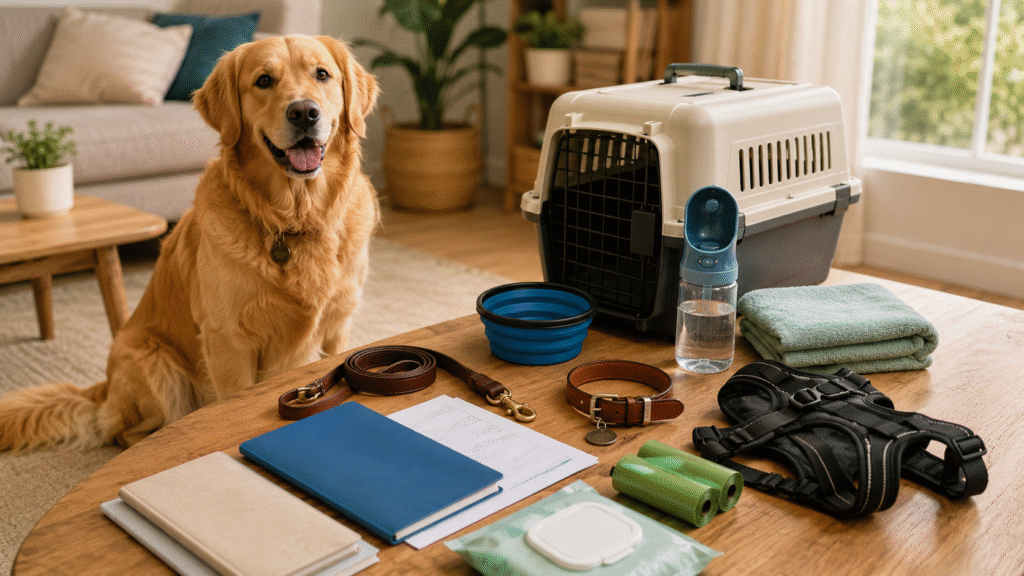
Use this basic dog vet appointment checklist:
- Confirm Appointment Time: Recheck the clinic timing and expected waiting period.
- Keep Records Ready: Carry vaccination records, prescriptions, test reports, and medicine names.
- Prepare Leash or Harness: Use a secure leash, dog car harness, or travel harness depending on how your dog travels.
- Check ID Collar: A dog ID collar is useful because nervous dogs can slip away near parking areas or clinic entrances.
- Prepare Carrier if Needed: A dog carrier for vet visit is useful for puppies, small dogs, anxious dogs, or dogs recovering from illness.
- Pack Cleaning Items: Carry poop bags, wipes, and a towel or small mat.
- Save Clinic Details: Keep the clinic number and location saved on your phone.
- Keep meals normal unless the vet gives specific fasting instructions for a procedure or test.
- Fill dog water bottle for travel, waiting areas or longer clinic visits.
- Avoid Stressful Grooming: Do not bathe, trim nails, or clean ears at the last minute if your dog dislikes it.
What to Carry to a Dog Vet Appointment: Final Checklist
You may not need every dog accessory and items, but you do need the basics. Carry these items:
- Vaccination Records: Especially for puppies, boarding, travel checks, and new clinics.
- Previous Prescriptions: These help the vet understand what has already been tried.
- Current Medicine List: Include supplements, tick preventives, and any ongoing treatment.
- Leash and Harness: A secure dog car harness or walking harness helps control movement.
- Dog ID Collar: Useful in parking areas, waiting rooms, and crowded clinic entrances.
- Carrier: Useful for small dogs, puppies, anxious dogs, and dogs who need controlled movement.
- Water and Bowl: A dog water bottle for travel or a collapsible bowl helps during waiting or travel.
- Towel or Small Mat: Gives your dog a familiar surface to sit on.
- Poop Bags and Wipes: Basic, useful, and often forgotten.
- Photos or Videos: Helpful when symptoms appear at home but disappear at the clinic.
- Treats: Use only if allowed and suitable for your dog’s condition.
If the vet asks, you may also need a stool or urine sample. Do not carry samples randomly unless the clinic has asked for them.
Managing Vet Visit Anxiety and Behavioural Challenges
Dog vet visit anxiety is common. Some dogs tremble, pant, bark, pull, freeze, hide, or become reactive around other animals. It does not mean your dog is being disobedient. It simply means the clinic environment feels difficult for them, so don’t panic and try to reduce their stress.
- Do not use human medicines or sedatives on your own: Always ask the vet before giving anything meant to calm your dog.
- Watch for anxiety signs: Some dogs tremble, pant, bark, pull, freeze, hide, or become reactive around other animals during a vet visit.
- Do not panic or scold: These reactions usually mean your dog is overwhelmed, not badly behaved.
- Carry a familiar item: A towel, mat, or small blanket with a familiar smell can help your dog feel more settled.
- Avoid crowded waiting areas: Keep your dog away from other pets if they are fearful, reactive, or easily overstimulated.
- Inform the clinic in advance: Tell the staff if your dog is anxious, touch-sensitive, fearful, or reactive so they can handle the visit more carefully.
- Ask about waiting outside: If your dog reacts strongly to other pets, ask whether you can wait outside or in the car until your turn.
- Use a carrier for small anxious dogs: A carrier can help small dogs feel more contained and protected in a busy clinic.
- Use a secure harness and short leash for larger dogs: This gives better control without making the dog feel trapped or pulled around.
- Introduce a muzzle before the visit if needed: If your dog may need a muzzle, train them to accept it beforehand. Forcing it for the first time at the clinic can make fear worse.
- Speak to your vet about severe anxiety: For dogs with serious fear or panic, ask the vet in advance about calming support, behaviour planning, or medication if appropriate.
Questions to Ask Your Vet During the Visit
A dog vet visit is more useful when you leave with clear instructions, not just a prescription. Ask your vet:
- What is the problem and likely cause? Understand whether the problem is confirmed or still being investigated.
- Are Tests Needed? Ask whether tests are urgent or only needed if symptoms continue.
- How Should Medicines Be Given? Confirm dosage, timing, food restrictions, and duration.
- What Side Effects Should I Watch For? This helps you respond early if something feels wrong.
- Should Diet or Exercise Change? Ask about food, walks, rest, and travel restrictions.
- When Is the Follow-Up? Do not leave this vague.
- What Symptoms Are Urgent? Know when to call or return immediately.
- Are Vaccines or Preventives Due? Ask about vaccination, deworming, tick prevention, and dental checks.
Does Your Dog Need a Vet Visit Before Travel?
If you are planning a weekend getaway, a hill trip, or a longer car journey with your dog, schedule the vet visit early enough to handle vaccinations, medicines, fitness advice, and travel preparation.
Do not leave travel-related vet checks for the day before departure. Some hotels, boarding facilities, airlines, or transport services may ask for vaccination records or a fitness certificate. If your dog has chronic illness, anxiety, motion sickness, skin problems, ear issues, or age-related concerns, the vet may suggest extra precautions.
Common Mistakes to Avoid
Avoid these common mistakes:
- Arriving too Early: Your dog may get anxious spending too much time in the clinic.
- Reaching Late: Rushing through the traffic or missing appointment time may unnecessarily create chaos, increase your stress and can make your dog anxious too.
- Arriving Without Records: Previous prescriptions and reports help the vet understand the case faster.
- Forgetting Symptom Details: Write down changes in appetite, stool, vomiting, coughing, limping, or behaviour.
- Over-Cleaning the Problem Area: Wounds, ears, skin patches, or discharge may need to be seen by the vet.
- Using an Unsafe Travel Setup: A loose dog in the car can become stressed and difficult to control.
- Ignoring Waiting-Room Stress: Keep distance from other pets if your dog is anxious or reactive.
- Forgetting Water: Water is useful during travel, waiting, and warm weather.
- Not Asking Follow-Up Questions: Clarify dosage, diet, rest, warning signs, and next visit before leaving.
Special Situations: Puppy, Senior and Behavioural Cases
Puppy Vet Visit: For a puppy, the visit often includes vaccination, deworming, weight checks, diet advice, and basic care guidance. Keep the puppy secure and avoid unnecessary contact with unknown animals at the clinic, especially before vaccinations are complete.
Senior Dog Vet Visit: Senior dogs may need extra comfort during transport and waiting. Carry previous reports, current medicines, and notes about appetite, mobility, pain signs, sleep, toilet habits, and behaviour. If your senior dog struggles to walk, ask the clinic if they can reduce waiting time.
Fearful or Reactive Dog: If your dog is fearful, aggressive, or reactive, inform the clinic before arrival. Ask for a quieter time slot if possible. Keep distance from other dogs, avoid crowded corners, and do not let strangers touch your dog casually.
Preparing for Emergency Vet Visits
Emergency visits are different from routine dog vet visit preparation. In an emergency, speed and safe transport matter more than what you carry. However, keep these basics ready for any emergencies:
- Emergency Clinic Number: Save the nearest reliable clinic and 24-hour vet contact if available.
- Digital Medical Records: Keep vaccination records, reports, and prescriptions on your phone.
- Transport Setup: Keep leash, harness, carrier, and towel accessible.
- Basic Essentials: Carry water, ID collar, and any medicine your vet has already prescribed.
- Call Before Arriving: If possible, inform the clinic about the emergency so they are prepared.
Do not waste time overpacking during an emergency. Carry what is needed and leave quickly.
Final Thoughts
A dog vet visit does not have to feel chaotic if you prepare calmly. The aim is to make sure your dog reaches the clinic safely, stays comfortable, the vet gets the information needed, and you return home with a calmer dog and clear instructions.
Good preparation protects your dog, saves time, and makes the visit less stressful for both of you. A little planning reduces the risk of turning a simple vet clinic visit into a panic trip.
FAQ Section
What should I carry to a dog vet appointment?
Carry vaccination records, previous prescriptions, medicine details, leash or harness, dog ID collar, water, poop bags, towel, and a carrier if needed.
How do I prepare my dog for a vet visit?
Start with calm handling, a secure travel setup, familiar towel or mat, and short car practice if your dog dislikes travel. Avoid rushing on appointment day.
Should I groom my dog before a vet visit?
Basic brushing is fine, but avoid over-cleaning wounds, ears, skin patches, or discharge if the vet needs to examine the problem.
How do I calm my dog at the vet?
Keep distance from other pets, use a familiar mat or towel, speak calmly, and tell the clinic staff if your dog is fearful or reactive.
Do I need a carrier for a dog vet visit?
A carrier is useful for small dogs, puppies, anxious dogs, or dogs recovering from illness. Larger dogs may need a secure harness and leash instead.